秋风客 - 2009/1/12 14:18:00
“田野中席地而坐,满眼芬芳”,呵呵,很赞同,舒伯特的钢琴奏鸣曲就是要在户外的自然环境里听,或者在夜晚仰望星空听,因为舒伯特就是心灵上的流浪者,当然也可以在室内听,不过要在三杯两盏淡酒之后。o(∩_∩)o...
洗牌出碟 - 2009/1/12 14:30:00
原帖由 秋风客 于 2009-1-12 14:18:00 发表
“田野中席地而坐,满眼芬芳”,呵呵,很赞同,舒伯特的钢琴奏鸣曲就是要在户外的自然环境里听,或者在夜晚仰望星空听,因为舒伯特就是心灵上的流浪者,当然也可以在室内听,不过要在三杯两盏淡酒之后。o(∩_∩)o... |
“心灵上的流浪者”说滴真好。舒伯特让人如此流连,可能是因为没有人不在“流浪”。
~自己汗一个。
fsyfsyfsyfsy - 2009/1/12 14:51:00
原帖由 三十九度 于 2009-1-10 16:29:00 发表
不知楼主喜欢谁弹奏的肖邦练习曲?
个人认为,弹奏肖邦练习曲不同其它曲目,
其要求的也是最重要的就是要精准,
情绪把握得当,着重突出练习曲的练习味道。
|
肖邦的练习曲哪里是练习曲,是音诗。
啥是练习曲的味道?
洗牌出碟 - 2009/1/12 18:45:00
三十九度 - 2009/1/12 21:47:00
“练习曲”原是作曲家们为学生练习某种演奏技巧而创作的曲子。它往往是依据单一的音乐动机写成的。肖邦创作了27首钢琴练习曲,他把其中24首分成两集,每集12首,编为作品10号和作品25号。另外还出版了一卷没标明作品号的练习曲,起名为《三首新练习曲》。几乎全都有特定的技术性,除七八首为中速或慢速外,其它都是快速度,它们带有明确的教学目的,也就是说有浓郁的练习味道。当然,它们不仅有针对性、较难的技巧练习,有些还有比较深刻的思想内涵,就象是一篇篇短小的音诗。因此,人们常常把肖邦的练习曲,说成是纲琴音乐史上 的一种“革命”。
洗牌出碟 - 2009/1/13 9:54:00
Pollini/Abbado/Chicago S.O.录制于1979年,当年滴留声机大奖。
称之钢协不如叫“钢琴成分丰富滴管弦乐”,听者象进入了摩天楼滴“管道层”,拐弯抹角大管小管层出。
钢琴似管中之水,或汹涌而出或淅淅沥沥,形态各异,造型能力超强。
总之,管道是全部漏掉了。
Pollini在这里不是冰水,温度至少高于他滴Boulez。
附件:
p.bartok.jpg
nevin4315 - 2009/1/13 14:38:00
波利尼的贝多芬最后5首钢奏是我的最爱,特别是第30,31首
洗牌出碟 - 2009/1/13 17:19:00
原帖由 gan 于 2009-1-13 12:28:00 发表
有幸听过波里尼在北京的演奏会,现场<热情>很好呀 |
俺猜是个大号(size)滴<热情>,能否详细讲讲当时滴情景?
洗牌出碟 - 2009/1/13 17:22:00
原帖由 nevin4315 于 2009-1-13 14:38:00 发表
波利尼的贝多芬最后5首钢奏是我的最爱,特别是第30,31首 |
呵呵~木有水份,颗颗音符皆入骨。
dj_simy - 2009/1/14 10:03:00
Let the music express itself
洗牌出碟 - 2009/1/14 10:39:00
原帖由 dj_simy 于 2009-1-14 10:03:00 发表
Let the music express itself |
That's mature,isn't it?
仁厚里权少 - 2009/1/14 10:49:00
太好啦!!可惜没买全他的贝多芬奏鸣曲!!
洗牌出碟 - 2009/1/14 10:51:00
2000年以后滴录音,60岁滴Pollini。
Kempff滴
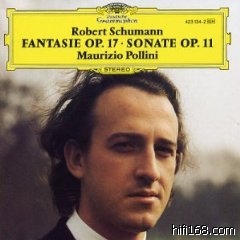
Schumann住四合院,Pollini滴住Loft。呵~
附件:
P.schum.jpg
洗牌出碟 - 2009/1/14 11:15:00
原帖由 仁厚里权少 于 2009-1-14 10:49:00 发表
太好啦!!可惜没买全他的贝多芬奏鸣曲!! |
都在等,惜字如金啊。
他滴唱片不多,重录曲目很少。全部录音两千余人民币基本done.(不含版次因素)
creek1 - 2009/1/14 13:14:00
重温他的EMI那张肖邦第一协奏曲,还是感到钢琴录音太漂亮,协奏烘托也到位,不冷,钢琴坚实、不滥情,肖邦式的音乐感十足,有意撇开协奏,单独注意钢琴声,也是旋律流畅。
洗牌出碟 - 2009/1/14 14:32:00
赞同中。。。
17岁滴Pollini然散发出滴青春气息,与Lipatti般滴清纯迥异。
年轻滴Zimerman,Pogorelich等都有非常优秀滴肖协录音,似乎肖协由年轻大师们诠释系一件理所当然滴事,杰出率很高哦!
gan - 2009/1/14 15:07:00
原帖由 洗牌出碟 于 2009-1-13 17:19:00 发表
原帖由 gan 于 2009-1-13 12:28:00 发表
有幸听过波里尼在北京的演奏会,现场<热情>很好呀 |
俺猜是个大号(size)滴<热情>,能否详细讲讲当时滴情景? |
是2006年"十一"间的事,上半场是勋伯格的作品和贝多芬《热情》,下半场是李斯特的晚年小品和B小调奏鸣曲。
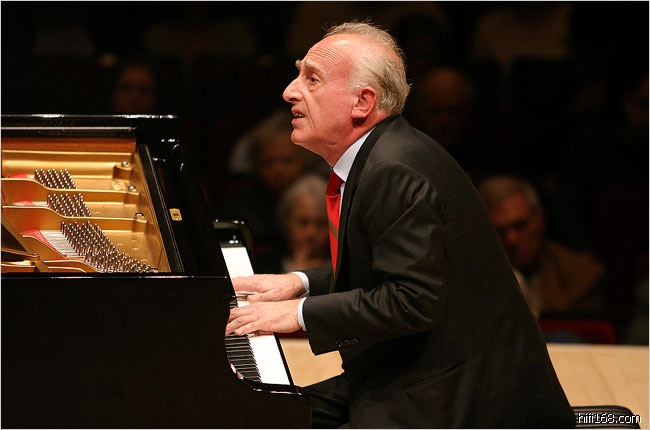
记得大师个头不高,甚至有点驼背,稀疏的头发几乎全白了,出场时掌声中他只浅浅地鞠了一下躬,便走到琴前坐下开始弹奏。开始的勋伯格的作品大多数人应该都不是很熟悉,大家都凝神静气,剧院里非常安静。之后贝多芬的《热情》绝大多数人又很熟悉。波里尼的技巧自不必说,一曲终了,尾音尚未完全落尽,满场已是掌声雷动,喝彩声此起彼伏。大家的热情也完全被调动起来了。下半场的李斯特的B小调奏鸣曲也十分精彩,令人难忘!最后老头在全场观众的欢呼和掌声中,往返十余次谢幕,加演了五首曲目,包括德彪西的前奏曲、李斯特的练习曲,当然还有大家期待的肖邦《革命练习曲》、《夜曲》,最后大家都以为没有了,谁知大师又坐了下来弹了肖邦的《谐谑曲》,不少人都是走到楼梯口又返回来继续听完的。
不知他是否还会来中国开演奏会?
洗牌出碟 - 2009/1/14 17:23:00
原帖由 老范 于 2009-1-14 15:03:00 发表
我也来凑个热闹!
还有一个CD的贝多芬钢琴协奏曲全集
|
赞一个范老师滴收藏!LP上滴价签(4上还有个圈圈)是源自欧洲小店吧?呵呵~怀念那种小店淘宝滴氛围。
小提醒:好东西表忘记戴套子哦~
洗牌出碟 - 2009/1/14 17:35:00
俺猜是个大号(size)滴<热情>,能否详细讲讲当时滴情景? [/quote]
是2006年"十一& [/quote]
感谢gan老师美文共享!置身文中俺仿佛也感受到大师现场滴铿锵/浅奏,甚至可以听到一曲终了时滴“Bravo!Bravo!!”。能身临其境与POLLINI共聚一堂,俺打赌肯定有人热泪盈眶,还有人走到楼梯口又返回?他们也太着急回家吧。
俺觉得他再来中国系可遇不可求了,希望有钱组织再慧眼识人,办件好事。
P.S.只一B小调就值回票价了,严重羡慕!
gan - 2009/1/14 19:00:00
洗牌出碟兄太客气了,我哪里敢当老师,一个普通的音乐爱好者罢了。
那些人走到楼梯口又返回,是确实没想到大师会再加演一曲,其实应该等保利的灯全亮起才起身。
波里尼今年应该有67岁了,可能不会再来了。遗憾!
洗牌出碟 - 2009/1/14 21:39:00
那会是很遗憾,这个级别滴大师已经不剩几个了。

Dufresne - 2009/1/14 23:41:00
未必哦。
洗牌出碟 - 2009/1/15 11:02:00
相信比Glenn Gould滴诠释更接近作曲家(Gould砖头一直在垫桌子腿,没仔细研究,惭愧一个)。
这张非常黑色滴唱片录于70年代,由一堆密密麻麻滴小曲构成。
新版不但增加了协奏,还赠送Webern滴变奏(Op.27)。
此碟实为20th音乐爱好者居家/外出滴必备佳品。
附件:
P.schoen.jpg
dj_simy - 2009/1/15 12:47:00
Maybe...
原帖由 洗牌出碟 于 2009-1-14 10:39:00 发表
That's mature,isn't it? |
洗牌出碟 - 2009/1/16 9:30:00
From The Times
September 28, 2007
The model of a modern major maestro
Maurizio Pollini, one of the greatest living pianists, has an unswerving passion for the contemporary
Richard Morrison
Maurizio Pollini is getting almost chatty these days. I first met him 20 years ago in his Milan apartment: part of a Renaissance palazzo, pristine white, exquisitely furnished. He was courtesy itself. Yet while his wife, as extrovert as he is insular, played with their son in the next room, I found myself spouting what was virtually a monologue in order to extract the odd precious monosyllable from the impeccably suited figure opposite.
Par for the course, I later discovered. Pollini might well be one of the greatest pianists of all time but, as far as interviewers were concerned, he has been an impenetrable enigma. For some concert-goers, too. There are morticians who go about their duties more chirpily than Pollini on the concert platform.
Yet at 65 he seems mellowed, relaxed, prepared to offer whole sentences, even short paragraphs, in reply to questions he deems interesting. He’s in London for two reasons. The first is to play two Beethoven concertos – the Emperor and the Fourth – with the London Philharmonic (the latter performance, on October 7, marking the orchestra’s 75th anniversary). The second is to take part in the South Bank’s celebration of the avant-garde Italian composer Luigi Nono, one of Pollini’s closest friends until his death in 1990. That concert, on October 31, will include . . . sofferte onde serene . . . – an astonishing work for piano and electronic tape specially written for him.
Few pianists of his stature bother with late 20th-century repertoire at all. It’s incredibly hard to play, and leaves a lot of music lovers cold. But Pollini has always championed it as both a duty and a pleasure. I once watched him perform Boulez’s stupendously complex Piano Sonata No 2 – from memory. Another of his favourite feats is to pair Beethoven’s monumental Hammerklavier Sonata with the coruscating note-clusters of Karlheinz Stockhausen’s Klavierstück X, for which he ceremonially dons a pair of protective gloves.
“Why not play music that has so much beauty?” he asks. “Boulez’s harmonies, for instance, give me joy. It’s just a matter of making audiences familiar. What we need is action by the majority of musicians to present this repertoire so regularly that it becomes a normal part of musical life.”
But what puts people off, I say, is modern music’s complexity. He will have none of that. “Complexity exists in music of all ages,” he points out. “Medieval music, by composers such as Ockeghem, is very complex. Beethoven’s Grosse Fuge was written to very strict rules. That didn’t stop those composers from expressing their emotions. What matters, whether it’s classical or contemporary, is for the performer to make the sense clear: the necessity of the notes.”
Few performers reveal that “necessity” with such mesmerising intensity. The cascading brilliance of Pollini’s Chopin fizzes through the listener like a drug. Yet one emerges from his performance of, say, late Schubert like the wedding guest from the clutches of the Ancient Mariner: sadder, wiser, and stunned by a storyteller who stares unblinking into the abyss of death.
In part his stupendous technique accounts for the impression he makes. He can sight-read virtually anything, and has a unique sound: crystal-clear and entrancingly pure. “For me the challenge of the piano is that it is essentially a percussion instrument,” he says. “Yet it is possible to create the illusion of singing a sustained melody or commanding the resources of a whole orchestra.”
He’s also an uncompromising perfectionist. Barbican audiences should thank him for that. It was his refusal, back in 1983, to play a recital until 2,000 cosmetic balls were removed from the ceiling that triggered the first steps towards improving the hall’s acoustics.
But Pollini has two other invaluable qualities: acute intelligence and scrupulous taste. The roots of both probably lie in his background. His father was one of the leading Italian rationalist architects; his mother a fine singer and pianist; his uncle the sculptor Fausto Melotti. The Pollini home was one of those extraordinary hothouses where artists, musicians and writers came to chew over the latest ideas.
The boy Maurizio absorbed all that, and showed himself precociously gifted. He was giving recitals at 11. Nobody who knew him was surprised when, at 18, he won the 1960 Chopin Competition in Warsaw, the youngest of 89 competitors. “That boy plays better than any of us,” said Artur Rubinstein, who was chairman of the jury and later became Pollini’s closest mentor.
Maybe, but the boy was completely unprepared for fame. What followed were nightmare years, marked by illnesses, cancellations, chronic nerves, feverish interpretations. “The impression left by his playing,” The Times sniffed about his London debut in 1963, “was that he was due to catch the 9.05 from Waterloo.”
Pollini disappeared from the concert scene, studied philosophy and played chess. When he reemerged, in the late Sixties, he seemed to have wrapped all the nerves, the shyness, the inner man, in a protective shield of stupendous pianism.
Today? He long ago cut his schedule to about 40 concerts a year, for which he receives astronomic fees (though, in the quixotic tradition of Italian socialism, he reputedly gives half to his piano tuner). He drives fast cars (an accident broke his back but miraculously left his fingers intact) and pumps nicotine and caffeine into his body on an hourly basis.
He hates what has happened politically to Italy. “But what really matters,” he says, “is that I feel more exhilarated by music than I have ever done. And I am still capable of surprising even myself.”
永远一刻 - 2009/1/16 10:29:00
洗牌出碟 - 2009/1/16 11:21:00
神似意大利画家籍里柯 (Giorgio de Chirico) 滴作品,魔幻现实哦~
附件:
Chirico.jpg